
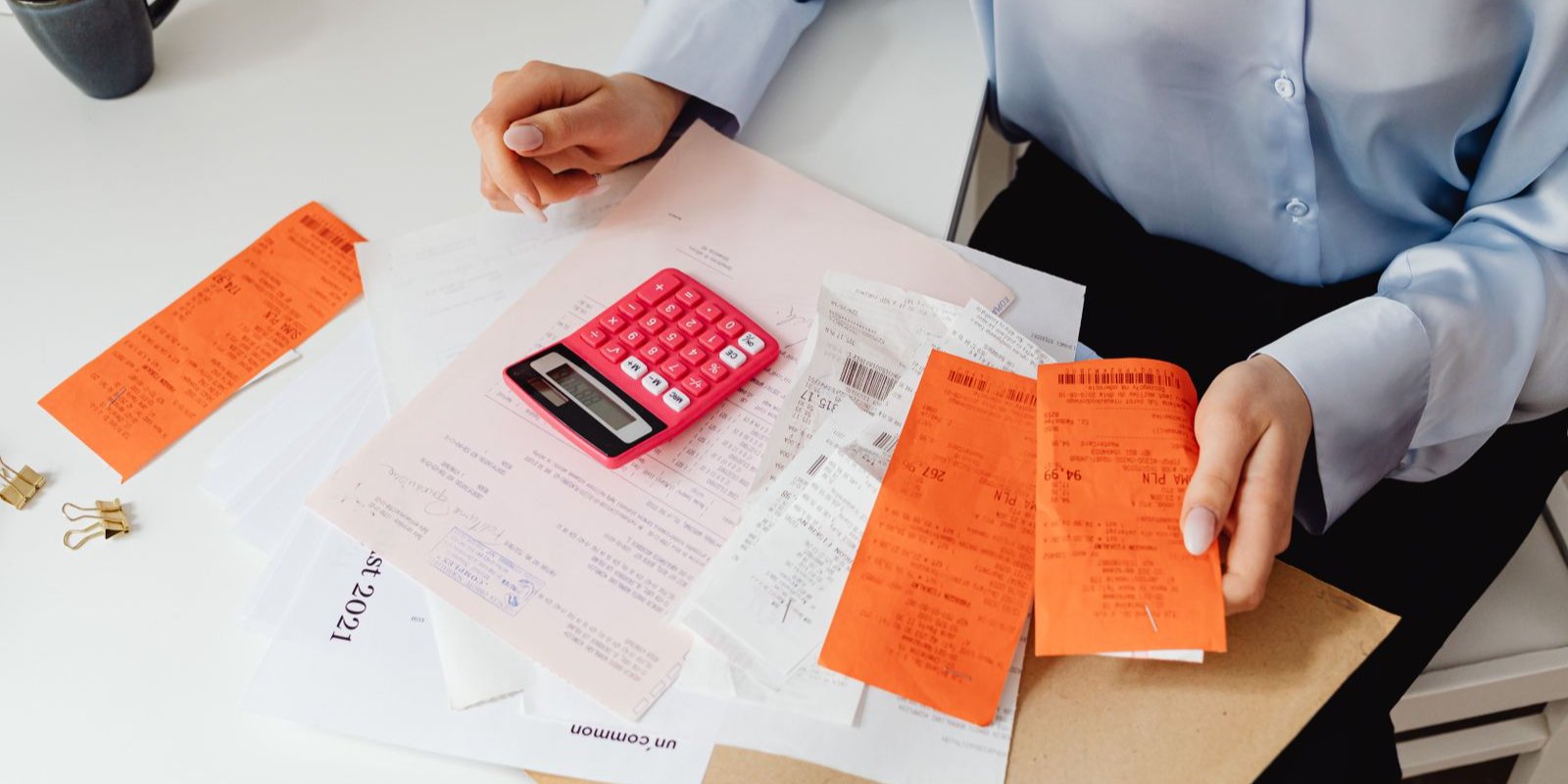
Short version: if you spent money to earn your income, and you have a record, you can probably claim it. The ATO’s three rules are simple: you paid for it yourself, it’s directly related to earning your income, and you have a record to prove it.
Common deductions for tradies
Tools and equipment
Items that cost $300 or less can generally be claimed in the year you buy them if they’re used for work. More expensive items are usually depreciated, though the instant asset write-off can change this, so check the current threshold on the ATO website.
Protective clothing and uniform
Hi-vis, steel-cap boots, safety glasses, hard hats, sunscreen for outdoor work, and compulsory uniforms with a logo. Everyday clothes like jeans don’t count, even if you wear them to work.
Vehicle and travel
If you use your own vehicle for work, you can claim either the cents-per-kilometre method (up to a cap) or the logbook method. Travel between home and a regular workplace generally isn’t deductible, but travel between job sites usually is. Keep a logbook.

Phone and internet
Claim the work-related percentage only, based on a representative sample of your bills.
Licences, insurance and training
Trade licences, white card renewals, public liability and tools insurance, and courses that maintain or improve your current skills.
Home office
If you run quotes and invoices from home, you can claim a share of running costs. The ATO has a fixed-rate method, so check the current rate.
Tax and accounting fees
The cost of managing your tax affairs, including a tax agent and accounting software, is deductible.
What you can’t claim
- Private or home-to-work travel
- Fines and penalties
- Expenses someone else reimbursed
- Anything without a record, or a purely private part of a mixed-use cost
Records: the rule that trips people up
Keep receipts, invoices and logbooks for five years. Photograph receipts as you go and use accounting software so records are in one place. See our accounting software comparison.
Sole trader vs company
The rules differ depending on your structure, so confirm with a registered tax agent.
Sole trader or employee: what changes?
Employees can usually claim only work-related costs they weren’t reimbursed for. Sole traders and other business owners can claim a wider range of business expenses, but they also have to track GST, BAS and their own super. If you’re unsure which you are, ask your accountant or check the ATO guidance.
Where the ATO tends to look
- Large or round-number claims with no receipts
- Vehicle claims without a logbook or a clear business-use percentage
- Home office claims that don’t match how you work
- Claims for clothing that’s everyday wear, not protective
- Claims that look the same year after year with no change in circumstances
End-of-year checklist
- Gather receipts and bank and credit card statements.
- Finish your vehicle logbook or record your kilometres.
- List tools and equipment bought during the year.
- Tally licences, insurance, training and professional fees.
- Separate private and business spending.
- Send everything to your accountant early, not on the last day.
Tradie tax deductions: FAQs
Can I claim tools I bought on a credit card?
Yes, if the tools were bought for work and you have the record. What matters is that the expense was yours and related to earning your income.
How long should I keep tax records?
The ATO generally requires five years from when you lodge or from when the transaction was completed, whichever is later. Check the current rule.
Can I claim my work boots and hi-vis?
Protective and compulsory work clothing can generally be claimed. Everyday clothes can’t, even if you wear them only for work.
Do I claim the GST on my purchases?
If you’re registered for GST, you claim GST credits through your BAS. Deductions on your tax return are usually the amount excluding GST.
Sources and further reading
- ATO: Income, deductions and concessions for businesses
- business.gov.au: Australian Government business information
General information only, not tax or financial advice. Rules and thresholds change, so check the ATO website and speak to a registered tax agent. We may earn a commission if you sign up through links on this site, at no extra cost to you.